The Gates Foundation Common Core Vision
Moving from policy to practice
OVERVIEW
In partnership with the Gates Foundation, IDEO set out to help teachers across the U.S. bring the new Common Core Standards to life in their classrooms. Through deep ethnographic research and human-centered design, we developed The Core Network, a vision for a teacher-led movement grounded in collaboration, sharing student work, and sustained support. The work resulted in actionable strategies, tools, and briefs to guide implementation at scale. This initiative helped inform Gates Foundation’s investment strategy around Common Core and supported the standards being adopted in 46 states.
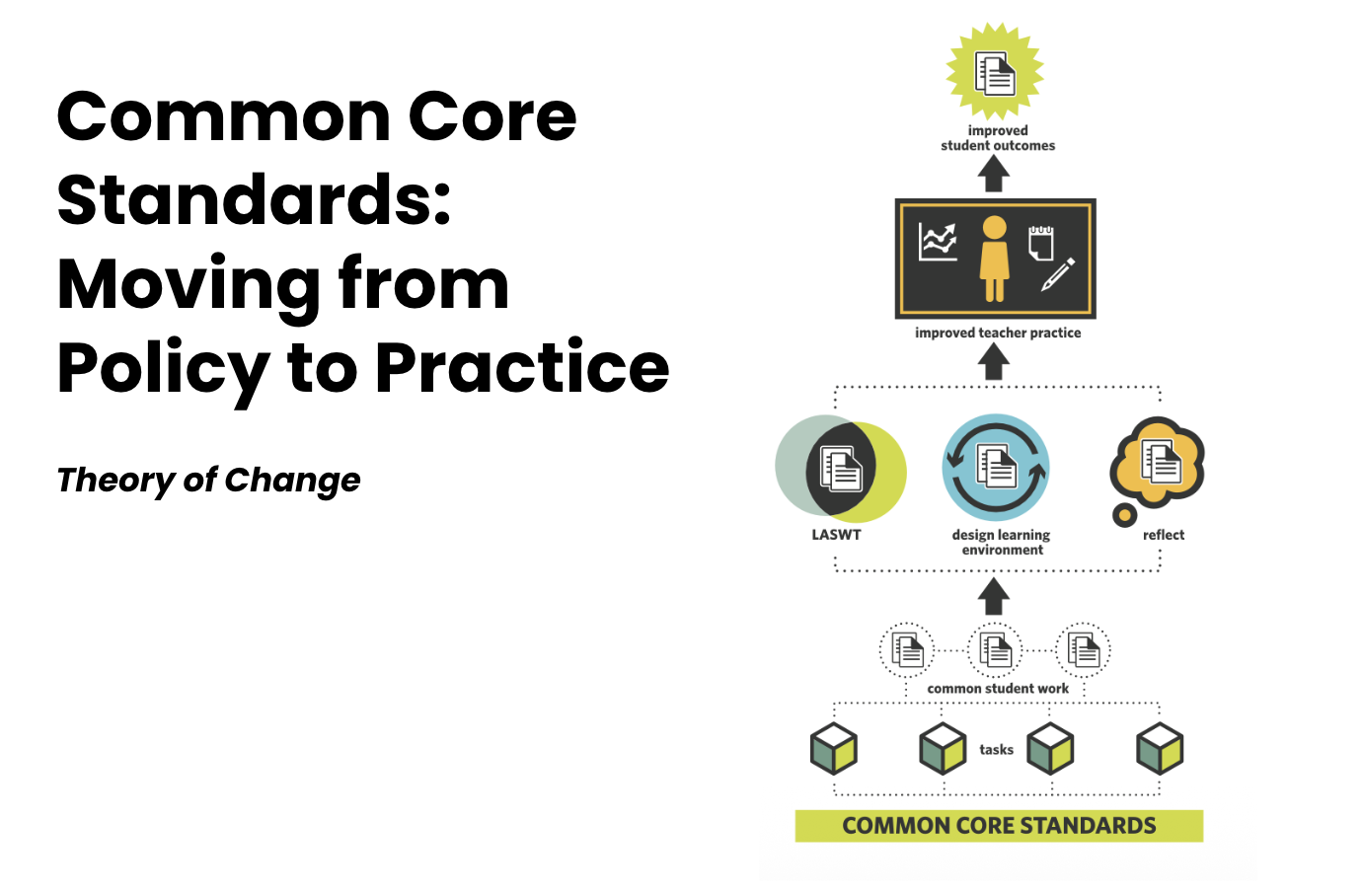
Theory of Change
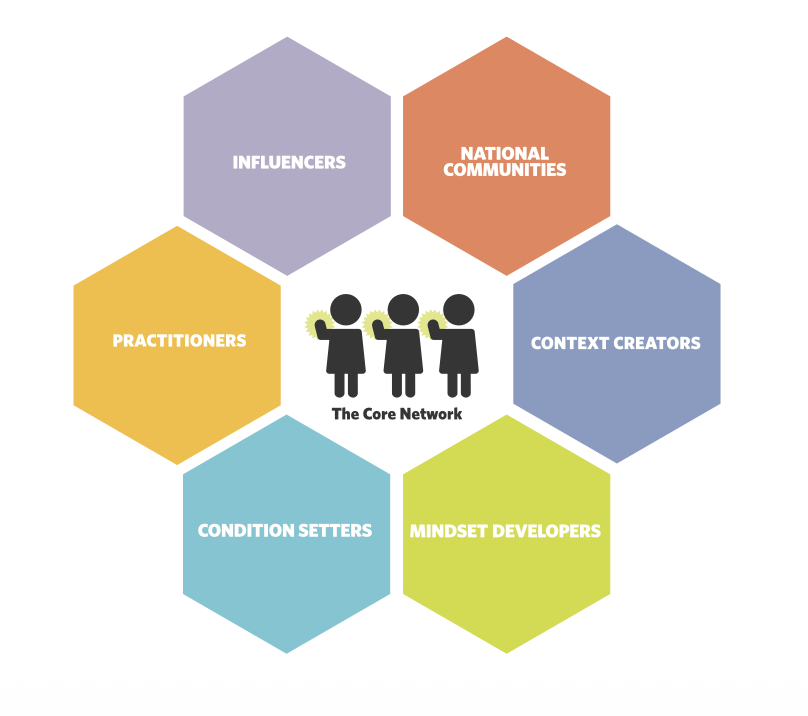
Influencer network map
THE CHALLENGE
In 2011, new Common Core Standards were being elevated across the United States. The adoption of the Common Core Standards presented a new opportunity for national alignment, but also added pressure on teachers to meet evolving expectations without clear, accessible tools.
The Gates Foundation had invested in developing “Tasks” or research-based exercises designed to help teachers implement the Common Core in real classrooms. But the big question was: How might we catalyze a teacher-driven movement that would not only spread the use of these Tasks but also fundamentally change how teachers collaborate, assess, and grow together?
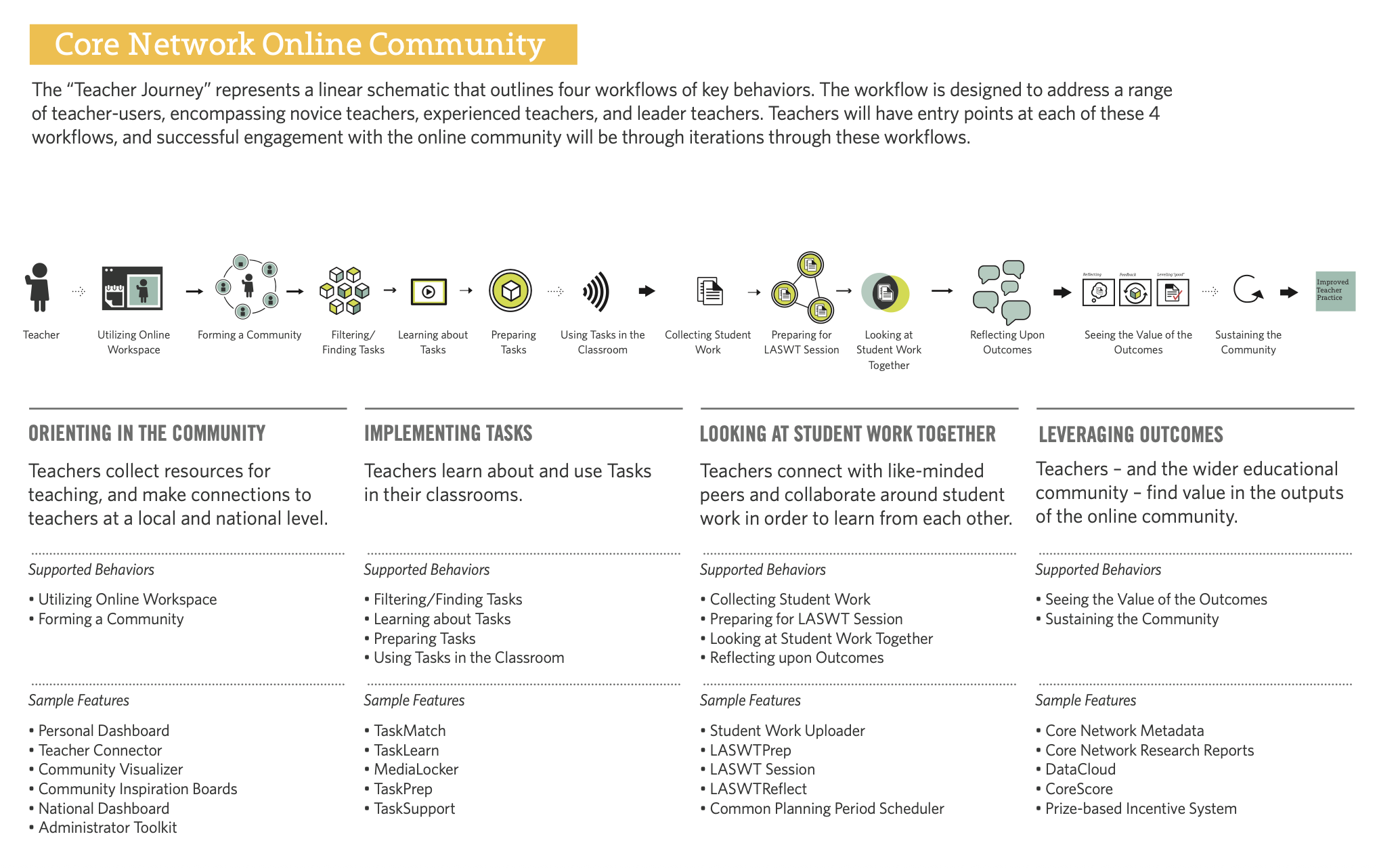
Experience Blueprint
THE WORK
In partnership with the Gates Foundation, our team at IDEO embarked on a human-centered research and design process, beginning with deep ethnographic fieldwork across pilot schools in Kentucky, Pennsylvania, and California. We listened closely to teachers, administrators, and education leaders to understand their lived experiences, barriers, and aspirations.
Three key insights emerged:
Teachers are focused on their students—first and always. If a tool didn’t have immediate classroom relevance, it was likely to be ignored.
Isolation breeds burnout. Despite decades of reform, teaching remained a solitary profession. Unlike medicine or law, where collaboration is standard, most teachers worked in isolation, with little time or structure to share best practices, reflect on student work, or evolve their craft together.
Change feels risky. Without administrative support, trying new practices could actually penalize teachers under outdated evaluation systems.
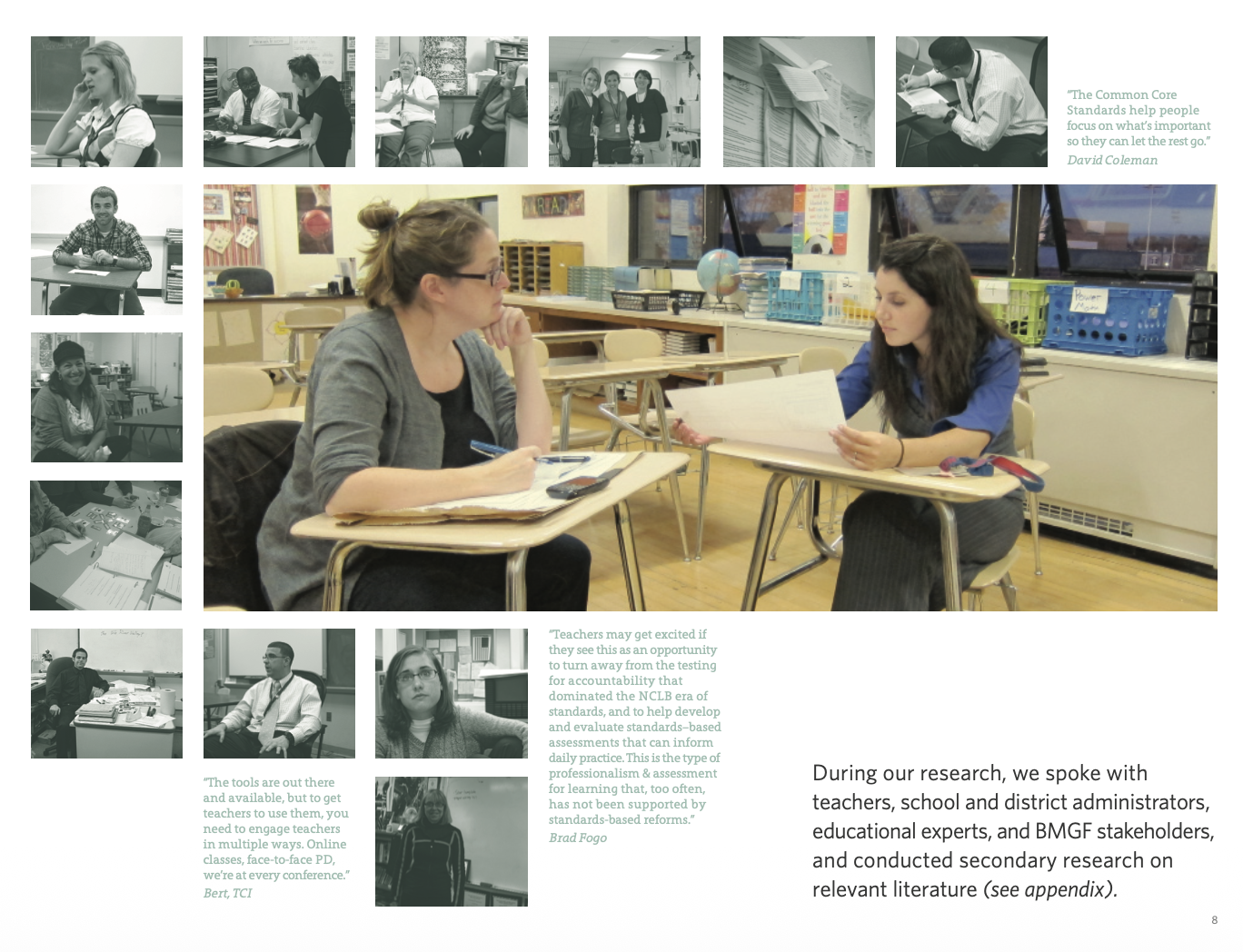
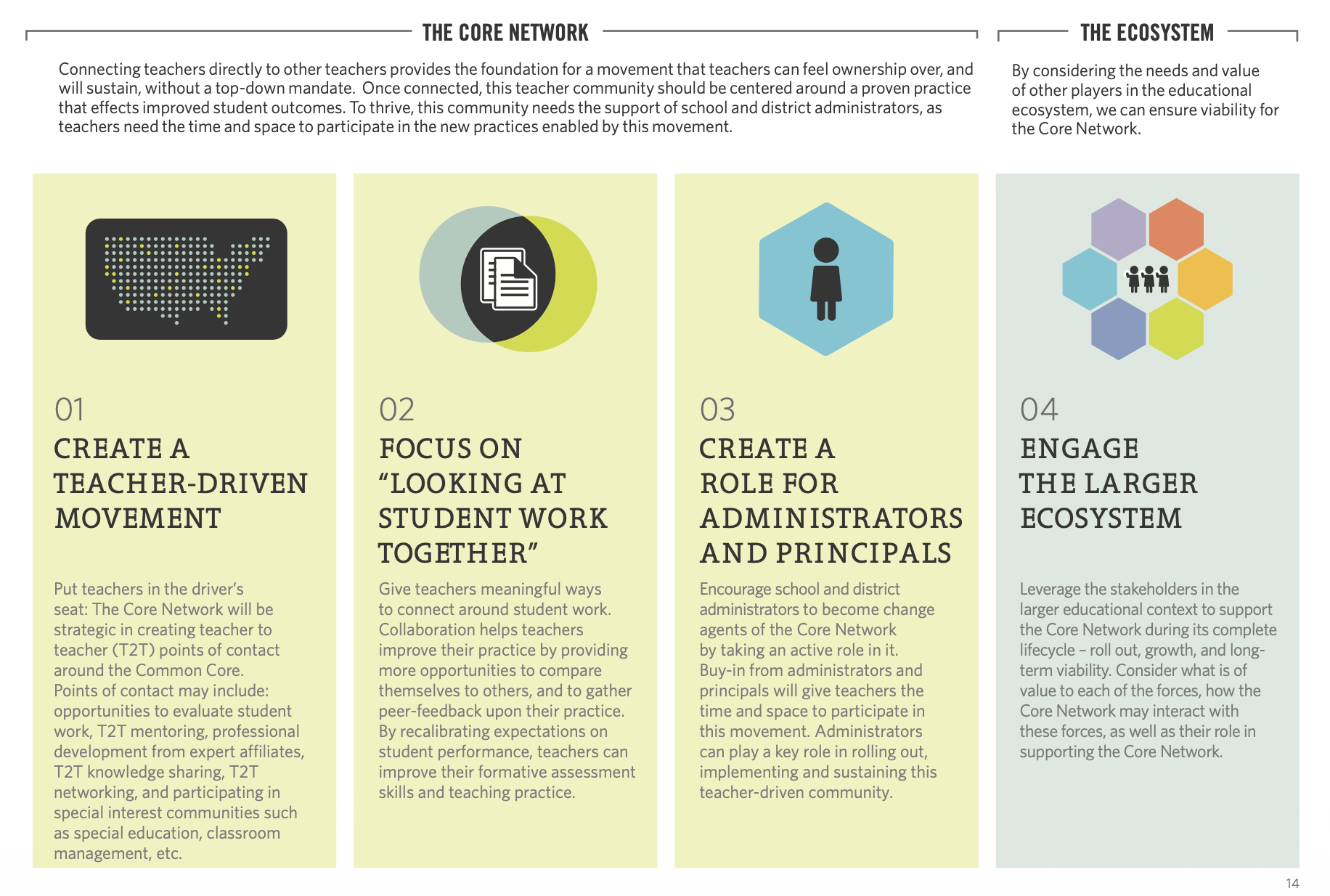
These insights shaped a three-part intervention strategy:
Create a teacher-centered movement. Start with teachers, not mandates. Invite them to lead the change.
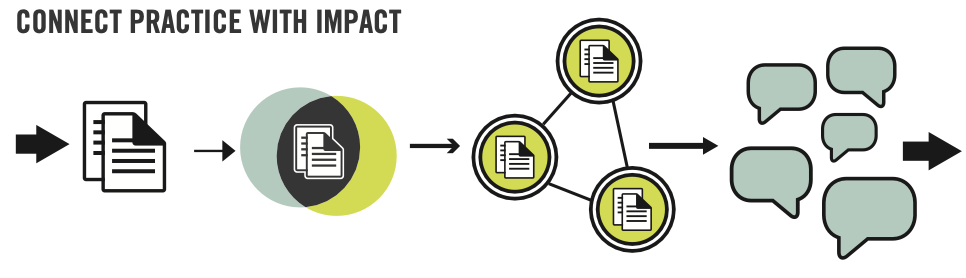
Focus on “Looking at Student Work Together.” Use shared student work as a central practice for professional growth.
Set the environment for teachers to thrive. Support administrators to become champions of the new behaviors.
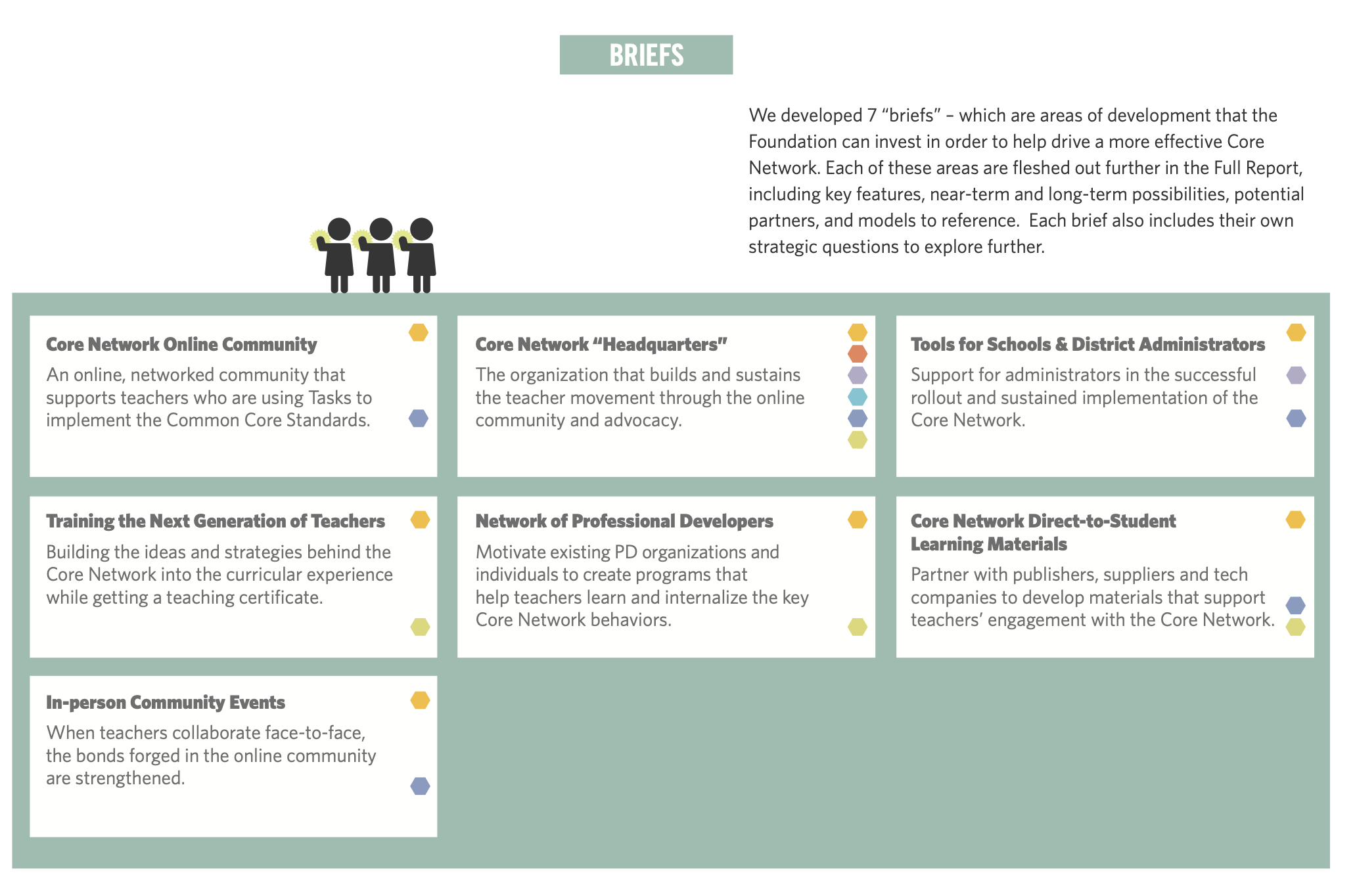
Briefs to clarify next steps and experiments to move the work forward
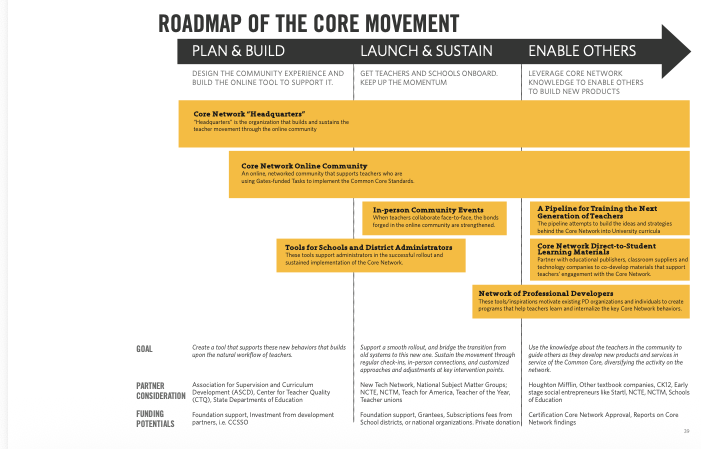
The result was The Core Network—a future-facing, community-centered ecosystem including in-person practices, digital platforms, toolkits for school leaders, and a vision for scalable, sustainable change.
To move this effort forward, we grounded the work in a larger theory of change, created scenarios around the 3 part intervention strategy, and produced 7 actionable briefs with a phased roadmap. All of these tools helped the Gates Foundation and their partners to continue moving the work forward.
THE IMPACT
The vision from this initiative contributed to a significant inflection point in the U.S. education system. With support from The Gates Foundation, 46 states initially adopted the Common Core State Standards, creating unprecedented national alignment. While political and public backlash led some states to later revise or rebrand their standards, many of the principles—including a focus on rigor, clarity, and equity—have endured.
This work became part of a broader conversation around teacher collaboration, professional development, and the role of human-centered design in education.